
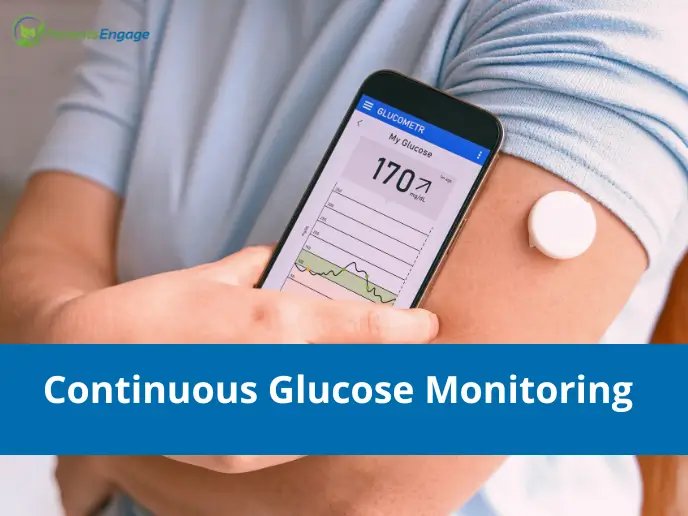
Managing diabetes continuous glucose monitor benefits effectively depends heavily on how well you track your blood glucose levels. For decades, the fingerstick test was the only tool available to patients, requiring a small lancet prick and a glucose meter several times a day. Today, continuous glucose monitors (CGMs) have transformed the landscape, offering real-time data streams that were unimaginable just a generation ago. But which method is truly better for your health and lifestyle? Understanding the continuous glucose monitor benefits alongside the limitations of both approaches can help you and your care team make the most informed decision.
What Is a Continuous Glucose Monitor?
A continuous glucose monitor is a small wearable device that measures glucose levels in the interstitial fluid just beneath the skin every few minutes, usually every one to five minutes depending on the model. It consists of a tiny sensor inserted under the skin, a transmitter, and a receiver or compatible smartphone app that displays your glucose readings in real time. Modern CGM systems also alert users when glucose levels are rising or falling rapidly, giving patients a critical early warning system that no fingerstick test can replicate.
The technology behind CGMs has improved dramatically over the past decade, with devices becoming more accurate, more discreet, and easier to use. Patients using CGMs for glucose monitoring technology purposes report a much richer picture of their metabolic patterns including overnight trends, post-meal spikes, and the impact of stress or exercise compared to the snapshots provided by fingerstick readings. If you are exploring CGM options, the team at HealthBeam Wellness can guide you through the devices best suited to your needs.
How the Traditional Fingerstick Works
The fingerstick method involves pricking a fingertip with a lancet, placing a small drop of blood on a test strip, and inserting it into a glucometer for a reading. It has been the gold standard of blood sugar tracking since the 1980s and remains reliable, affordable, and widely accessible. Many patients find it straightforward once they establish a routine, and the devices are covered broadly by insurance plans.
However, fingerstick testing only captures a single moment in time. A reading taken at 7 a.m. tells you nothing about what happened at 3 a.m. or what your glucose will do after breakfast. This is its most significant limitation for people who need tight glycemic control. Additionally, frequent fingersticks can lead to calluses, soreness, and decreased compliance over time, which ultimately undermines the consistency that good diabetes management requires. For patients managing diabetes during pregnancy, precise monitoring becomes even more critical to learn how targeted support can help at Diabetes in Pregnancy Care.
Comparing CGM Accuracy to Fingerstick Results
A common concern about CGMs is CGM accuracy, particularly because these devices measure glucose in interstitial fluid rather than directly in the blood. There is typically a 5-to-15-minute lag between interstitial and blood glucose levels, which means CGM readings may trail slightly behind actual blood glucose during periods of rapid change. Most newer CGM devices have a Mean Absolute Relative Difference (MARD) of around 9% or less, making them clinically equivalent to fingerstick tests for most purposes.
In fact, the Food and Drug Administration has approved several CGM devices as a replacement for fingerstick testing, meaning patients no longer need to confirm CGM readings with a fingerstick before making treatment decisions. The continuous data stream from a CGM is especially valuable during overnight hours, when hypoglycemia can go undetected with fingerstick testing alone. This 24/7 visibility is one of the most powerful continuous glucose monitor benefits available to patients today.

Key Benefits of Continuous Glucose Monitoring
The advantages of CGM extend well beyond convenience. First, real-time alerts mean that dangerous lows and highs can be caught before they become emergencies. Second, trend arrows showing the direction and rate of glucose change allow patients to take proactive action rather than reactive correction. Third, the sheer volume of data generated by a CGM enables patients and clinicians to identify patterns that would remain invisible with even the most diligent fingerstick testing regimen.
Fourth, CGMs have been shown in clinical studies to reduce HbA1c levels, lower the incidence of severe hypoglycemia, and improve time-in-range metrics. These improvements in diabetes device comparison outcomes have made CGMs a cornerstone of modern type 1 diabetes management and an increasingly standard recommendation for type 2 patients on insulin as well. Comprehensive education about using these devices is available through Comprehensive Diabetes Self-Management Education.
When Fingerstick Testing Still Makes Sense
Despite the clear advantages of CGM, fingerstick testing retains an important role in diabetes care. It is the preferred method for calibrating older CGM devices that require regular calibration. It remains the go-to tool in clinical and hospital settings for quick, definitive glucose confirmation. It is also significantly less expensive for patients who lack insurance coverage for CGM supplies, making it a more accessible option for many people globally.
Some patients, particularly those with mild type 2 diabetes managed through diet and oral medications alone, may not need the level of detail that a CGM provides. For these individuals, a structured fingerstick schedule two to four times daily may provide sufficient information for effective management without the added cost of CGM technology.
The Future of Glucose Monitoring
CGM technology continues to advance, with factory-calibrated sensors, longer wear times of up to 15 days, and integration with automated insulin delivery systems becoming standard features. The convergence of CGMs with insulin pumps in closed-loop systems sometimes called artificial pancreas technology represents one of the most exciting frontiers in diabetes care. These systems use continuous glucose data to automatically adjust insulin delivery, bringing patients closer to truly automated glucose management.
Whether you are newly diagnosed or have been living with diabetes for years, the decision between CGM and fingerstick testing deserves careful consideration with your healthcare provider. The continuous glucose monitor benefits are real and significant, but the best tool is ultimately the one you will use consistently and correctly.
Frequently Asked Questions
Q: How often does a CGM take a reading?
A: Most CGMs measure glucose every 1 to 5 minutes throughout the day and night.
Q: Can I replace fingerstick testing entirely with a CGM?
A: Many FDA-approved CGMs are now cleared as fingerstick replacements for insulin dosing decisions.
Q: Is CGM covered by insurance?
A: Many insurance plans cover CGMs for type 1 and insulin-dependent type 2 diabetes patients.
Q: How long does a CGM sensor last?
A: Depending on the brand, sensors last between 7 and 15 days before needing replacement.
Q: Are CGMs uncomfortable to wear?
A: Most users report minimal discomfort during insertion and forget the sensor is there during wear.