
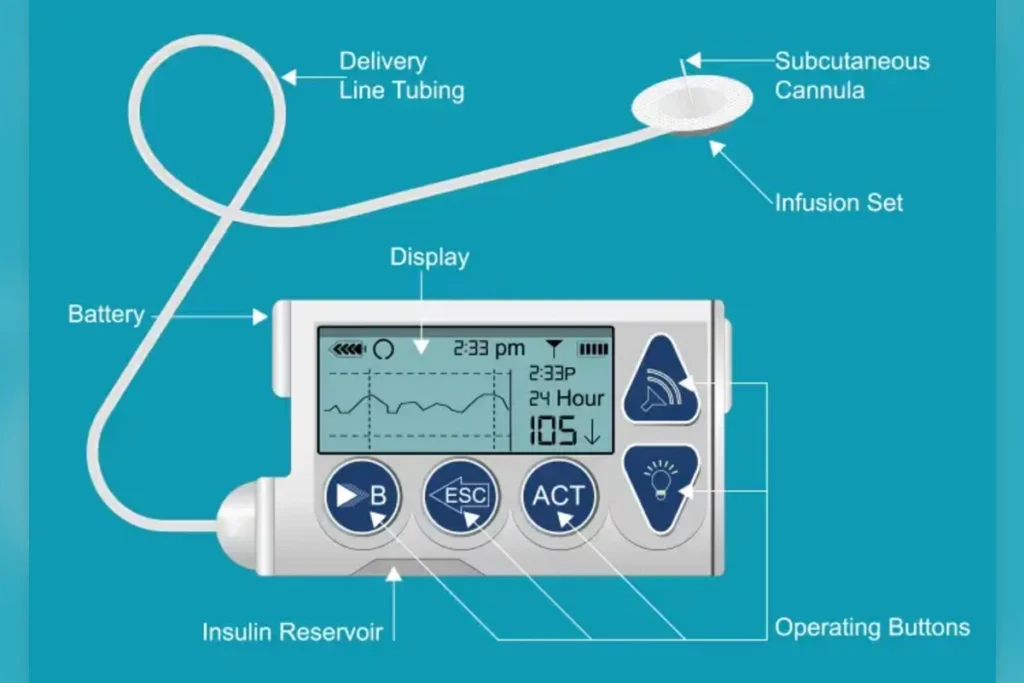
For people living with type 1 diabetes and many with insulin-dependent type 2 diabetes, finding a delivery method that keeps glucose levels steady while fitting into daily life is an ongoing challenge. Insulin pump therapy has become one of the most effective solutions available, offering flexibility, precision, and an unprecedented degree of control compared to multiple daily injections. But like any medical technology, it works best for the right person in the right circumstances. Understanding what pump therapy involves and whether it matches your habits and health goals is the first step.
What Is Insulin Pump Therapy?
An insulin pump is a small computerized device worn on the body that delivers insulin continuously through a thin tube called a cannula, inserted just under the skin. This method is technically known as continuous subcutaneous insulin infusion, or CSII, and it mimics the natural function of a healthy pancreas more closely than injections can. The pump delivers two types of insulin: a steady background rate called the basal rate, which runs 24 hours a day, and bolus doses that the user programs at mealtimes or to correct high glucose readings.
Unlike multiple daily injections
which require separate long-acting and rapid-acting insulin at fixed times, a pump uses only rapid-acting insulin and allows users to program multiple basal rates throughout the day to match their individual metabolic patterns. This level of customization is particularly valuable for people whose glucose levels fluctuate significantly depending on time of day, activity, or hormonal cycles. For a personalized introduction to insulin delivery devices, visit Insulin Delivery Device Training.
The Basal-Bolus Advantage
At the heart of insulin pump therapy is the basal bolus insulin delivery philosophy delivering a trickle of background insulin all day, with additional bolus doses precisely timed around meals. On a pump, the basal rate can be set as low as 0.025 units per hour and can be changed automatically by the pump based on programmed schedules. This means you can set a lower basal rate for overnight hours when glucose naturally drops, and a higher rate for early morning when the dawn phenomenon often drives blood sugar upward.
Bolus dosing on a pump is equally refined
Modern pumps include bolus calculators that factor in your current blood glucose, your carbohydrate intake, your insulin sensitivity, and the amount of insulin still active from your last dose. This calculation known as insulin on board or IOB prevents dangerous stacking of doses that can cause severe hypoglycemia. The precision of bolus delivery, which can be dosed in increments as small as 0.1 units, is simply not achievable with a syringe or insulin pen.
Who Benefits Most from Pump Therapy?
Insulin pump therapy is generally most beneficial for people who struggle to achieve stable glucose control on multiple daily injections, those with significant dawn phenomenon, individuals with highly variable daily schedules, and people who are highly motivated to engage actively with their diabetes management. Athletes and active individuals often find pumps particularly advantageous because basal rates can be temporarily reduced or suspended during exercise to prevent hypoglycemia, a flexibility that long-acting insulin injections cannot offer.
Pregnant Women Type 1 diabetes
represents another group for whom pump therapy frequently delivers outstanding outcomes, as the tight glycemic control achievable with a pump reduces risks for both mother and baby. For specialized support around diabetes in pregnancy, Diabetes in Pregnancy Care offers targeted guidance. Children and adolescents with type 1 diabetes also benefit enormously from the flexibility of pump therapy, particularly because it eliminates the need for fixed meal schedules that injections typically require.
Understanding Closed-Loop Insulin Systems
The most advanced form of pump therapy today is the closed-loop insulin system, sometimes called the artificial pancreas or automated insulin delivery (AID) system. These systems combine an insulin pump with a continuous glucose monitor and an algorithm that automatically adjusts insulin delivery based on real-time glucose data with no manual input required between meals. Studies have consistently shown that closed-loop systems achieve better time-in-range, lower HbA1c, and significantly less hypoglycemia than open-loop pump therapy.
Closed-loop systems
represent a dramatic leap forward in diabetes technology lifestyle integration, allowing users to sleep through the night with far less anxiety about glucose fluctuations. They are now FDA-approved for adults and children as young as two years old in some systems, and the pipeline of next-generation devices promises even tighter control and greater automation. Many patients find that the psychological relief alone knowing the system is actively managing their glucose around the clock is transformative.

Practical Considerations Before Starting Pump Therapy
Transitioning to an insulin pump requires significant upfront education, patience, and a willingness to troubleshoot technical issues. The pump must be worn continuously, except during short periods like bathing, and the infusion set must be changed every two to three days to prevent infection and ensure consistent insulin absorption. Pump failure, though rare, requires immediate backup injection supplies to be on hand at all times.
Cost is another major consideration
Insulin pumps are expensive devices, and while most major insurance plans cover them for type 1 diabetes patients who meet clinical criteria, coverage for type 2 patients varies widely. The ongoing cost of supplies, infusion sets, reservoirs, and related consumables adds up significantly over time. Your diabetes care team can help navigate insurance approvals and connect you with manufacturer assistance programs. Comprehensive education and ongoing support are available through Comprehensive Diabetes Self-Management Education.
Making the Decision
Choosing to start insulin pump therapy is a collaborative decision between you and your endocrinologist or diabetes care team. The ideal candidate is someone who is willing to check or monitor glucose frequently, engage actively with the technology, attend thorough training, and maintain close follow-up with their medical team. If that description fits you, pump therapy could be one of the most meaningful upgrades to your diabetes management — offering not just better numbers, but a better quality of life.
Frequently Asked Questions
Q: Can I shower or swim with an insulin pump?
A: Most modern pumps are waterproof for brief immersion, but check your specific model’s water resistance rating.
Q: How long does an insulin pump infusion set last?
A: Infusion sets should be changed every 2 to 3 days to prevent infection and absorption issues.
Q: Is pump therapy only for type 1 diabetes?
A: No, some insulin-dependent type 2 patients benefit from pump therapy, though coverage criteria vary.
Q: What happens if the pump malfunctions?
A: You should always carry backup insulin and injection supplies in case of pump failure.
Q: Does insurance typically cover insulin pumps?
A: Most major insurance plans cover pumps for qualifying type 1 patients; type 2 coverage varies by plan.