
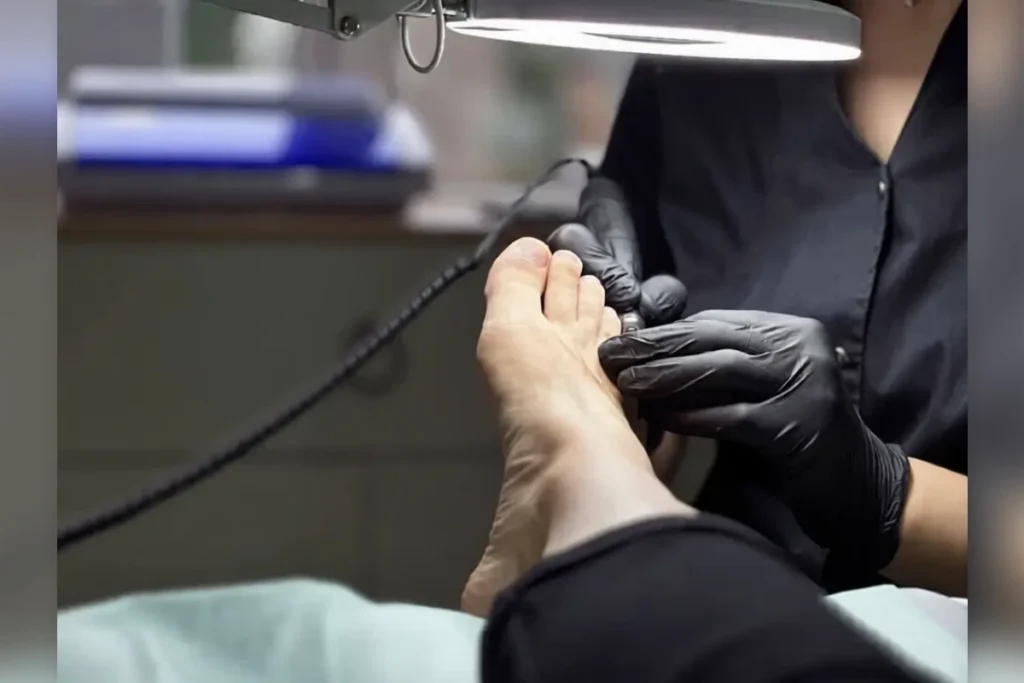
Your feet are telling you something — and when you have diabetes, it’s critical to listen. At Healthbeam Diabetes and Wellness Center, our diabetic foot care specialist team in Greenbelt, MD, works alongside your primary diabetes care providers to catch early warning signs of foot complications before they escalate into wounds, infections, or worse. Diabetic foot problems are entirely preventable with the right education, monitoring, and support — and that’s exactly what we deliver through our Comprehensive Diabetes Self-Management Education and Personalized Type 1 & Type 2 Diabetes Care programs.
Why Diabetic Foot Care Is a Medical Priority
According to the American Diabetes Association (ADA, diabetes.org), between 1 and 4 percent of people with specilized diabetes care develop a foot ulcer each year, and foot complications account for more hospitalizations than any other complication of diabetes.
The World Health Organization (WHO, who.int) estimates that every 30 seconds, a lower limb is lost somewhere in the world due to diabetes — the vast majority of which could have been prevented with proper foot care and regular screening.
These figures are sobering — but also empowering. When you work with a dedicated diabetic foot care specialist, you dramatically reduce your risk of ever reaching these outcomes.
How Diabetes Damages Your Feet
Diabetes affects foot health through two main mechanisms:
Diabetic Peripheral Neuropathy
High blood sugar over time damages the nerves — particularly those in the feet and lower legs. You may experience tingling, burning, numbness, or loss of sensation. The danger: when you can’t feel your feet, small cuts, blisters, or pressure sores go unnoticed and quickly become infected wounds.
Peripheral Arterial Disease (PAD)
Diabetes also narrows and hardens the blood vessels in the legs and feet. Reduced blood flow means your body struggles to heal even minor wounds. What might heal in days for a non-diabetic person can take weeks or months for someone with diabetes — or fail to heal at all.
Warning Signs You Need a Diabetic Foot Care Specialist Now
- Numbness, tingling, or burning sensations in your feet
- Cuts, sores, or blisters that are slow to heal
- Redness, warmth, or swelling around the foot or ankle
- Changes in skin color or nail appearance
- Foot pain while walking or at rest
- Calluses, corns, or cracked heels that aren’t improving
- Any open wound or ulcer on the foot

If you’re experiencing any of these, do not wait. Contact Healthbeam immediately or use our same-day telehealth appointment option.
Diabetic Foot Care at Healthbeam: What to Expect
Our approach to diabetic foot care is integrated into your broader diabetes management plan. Here is how we support your foot health at every stage:
- Foot risk assessment at every diabetes care visit
- Monofilament and vibration testing to detect early neuropathy
- Patient education on proper daily foot inspection and hygiene
- Footwear guidance and referral to podiatry when surgical or advanced wound care is needed
- Blood flow assessment to identify peripheral arterial disease
- Tight glucose control through Insulin Delivery Device Training and CGM monitoring
- Collaborative care with specialists for ulcer management and wound care coordination
The Role of Blood Sugar Control in Foot Health
Every percentage point reduction in your HbA1c translates directly into lower risk of nerve and blood vessel damage. Our Comprehensive Diabetes Self-Management Education teaches you the daily habits — from glucose monitoring to meal planning — that protect your feet from the inside out. When combined with our medical nutrition therapy focusing on a low glycemic index approach, patients consistently achieve and sustain better glucose control.
People Also Ask About Diabetic Foot Care
Q: What does a diabetic foot care specialist actually do?
A: A diabetic foot care specialist performs regular foot screenings, tests for neuropathy and circulation problems, educates patients on daily foot care routines, and coordinates with podiatrists or vascular specialists when advanced care is needed.
Q: How often should diabetics get their feet checked?
A: The ADA recommends a comprehensive foot exam at least once per year for all people with diabetes — more frequently for those with neuropathy, PAD, or a history of ulcers. At Healthbeam, we assess foot health at every visit.
Q: Can diabetic neuropathy be treated?
A: Neuropathy cannot always be fully reversed, but its progression can be significantly slowed with tight blood sugar control, appropriate medication, and regular monitoring. Early intervention at a diabetic foot care center is critical.
Q: What shoes should diabetics wear?
A: Diabetics should wear well-fitted, cushioned, seamless shoes with a wide toe box to minimize pressure points. Our care team provides specific guidance and can refer you to a certified pedorthist if needed.
Q: What is a diabetic foot ulcer and how dangerous is it?
A: A diabetic foot ulcer is an open wound that develops due to neuropathy and/or poor circulation. Without prompt treatment, ulcers can become infected, spread to bone, and — in severe cases — require amputation. Early detection is life-changing.
Q: Does Healthbeam offer telehealth for foot care concerns?
A: Yes. While some foot assessments require in-person visits, our Telehealth Diabetes Appointments allow us to triage concerns, review photos of wounds or sores, and coordinate care quickly without requiring you to travel.
Q: How does diet affect diabetic foot health?
A: A low glycemic diet helps maintain stable blood glucose, which directly reduces the nerve and blood vessel damage underlying most foot complications. Our registered dietitians work with each patient on personalized meal plans.
Book Your Foot Health Assessment Today
Your feet carry you through life — protect them with the expert care they deserve. The team at Healthbeam Diabetes and Wellness Center is ready to assess your foot health, educate you on prevention, and coordinate the care you need to walk confidently into the future. Visit our Contact Us to schedule your appointment today. Also explore our Services page for information on our Diabetes Complications Prevention and Prediabetes Prevention Programs.