
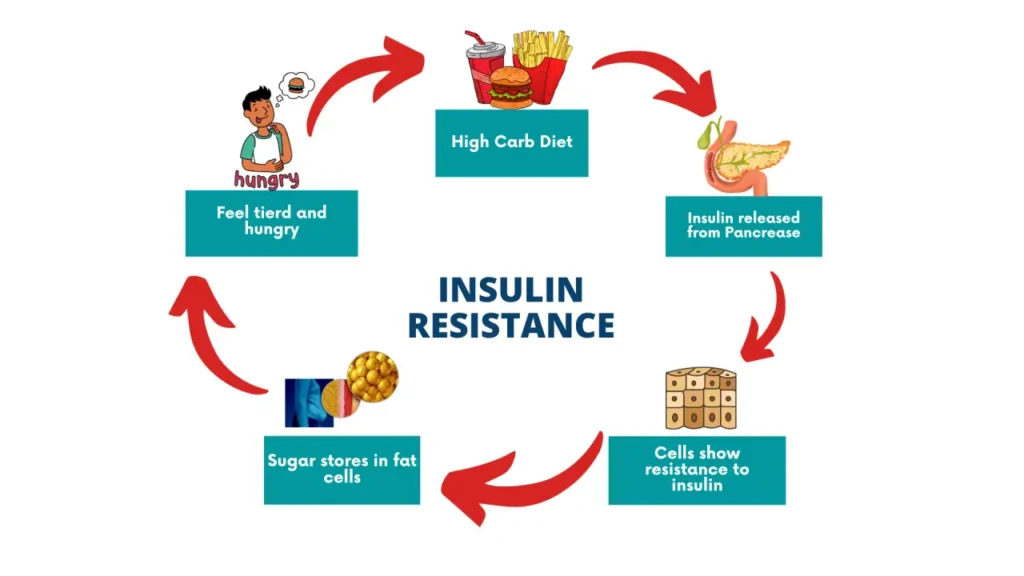
Managing your metabolic health insulin resistance naturally effective begins with understanding how your body processes energy. Explore comprehensive resources at Healthbeam Wellness to start building a healthier foundation today. When your cells become sluggish and ignore the signals of key hormones, your blood sugar levels can start to climb, paving the way for long-term health complications. Identifying these metabolic shifts early empowers you to make targeted adjustments before major issues take root.
What Is Insulin Resistance and Why Does It Develop?
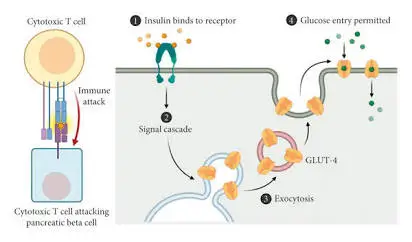
To get to the root of metabolic sluggishness, we must first look at what is insulin resistance and why does it develop in the body. At its core, this condition occurs when cells in your muscles, fat, and liver stop responding appropriately to insulin, the vital hormone responsible for letting glucose enter your cells to be used as fuel. Because the cells lock glucose out, the pancreas panics and pumps out even more insulin to force the sugar inside. Over time, high levels of circulating stress hormones, chronic systemic inflammation, a sedentary lifestyle, and a diet packed with ultra-processed carbohydrates cause these cellular receptors to break down completely.
Common Signs That You May Need an Insulin Resistance Test
Recognizing early warning indicators is crucial, and there are several common signs that you may need an insulin resistance test before your blood sugar completely spirals out of control. Many individuals experience intense, unyielding sugar cravings, frequent brain fog shortly after eating, and stubborn abdominal weight gain that refuses to budge despite dieting efforts. Visible skin changes can also manifest, such as acanthosis nigricans, which causes dark, velvety patches of skin around the neck, armpits, or groin area. If you routinely experience extreme fatigue after eating high-carb meals or notice small skin tags multiplying around your neck, your body is waving a red flag that your metabolism is struggling.
How Is an Insulin Resistance Test Performed?
If you exhibit these symptoms, you might naturally wonder how an insulin resistance test is performed by a healthcare professional. Doctors typically do not rely on a single measurement; instead, they utilize a combination of blood panels to map out your overall metabolic efficiency. The most standard approach involves a Fasting Plasma Glucose test alongside a Fasting Insulin test, which allows the calculation of your HOMA-IR (Homeostatic Model Assessment for Insulin Resistance) score. Alternatively, your physician might request a standard Hemoglobin A1c (HbA1c) test to measure your average blood sugar over the past three months, or order a multi-hour Oral Glucose Tolerance Test (OGTT) to track precisely how your body clears sugar from the bloodstream in real time.
The Quickest Natural Ways to Reduce Insulin Resistance
If your laboratory results indicate poor metabolic health, finding the quickest natural ways to reduce insulin resistance becomes your absolute top priority. The most immediate lever you can pull is practicing short-term intermittent fasting, which naturally drops circulating baseline insulin levels and forces your body to burn its stored glycogen supplies for fuel. Additionally, prioritizing high-quality sleep for seven to eight hours per night instantly balances cortisol and growth hormone levels, dramatically lowering your systemic stress. Combining these habits with daily stress-management techniques like deep meditation or targeted breathwork creates an internal environment where your cell receptors can recover their natural sensitivity rapidly.
Best Diet and Lifestyle Changes for Insulin Resistance Care
Sustaining long-term metabolic health requires implementing the best diet and lifestyle changes for insulin resistance care into your daily routine. This involves shifting your dietary framework entirely away from processed convenience foods toward whole, nutrient-dense ingredients that prevent massive blood sugar spikes. Incorporating circadian rhythm alignment meaning you eat your meals during daylight hours and avoid late-night snacking profoundly helps regulate your liver’s nocturnal glucose output. Furthermore, maintaining optimal hydration by drinking plenty of mineral-rich water throughout the day ensures your kidneys can efficiently flush out any excess circulating glucose.
Top Insulin Resistance Treatment Options Recommended by Doctors
When lifestyle changes require additional support, looking into the top insulin resistance treatment options recommended by doctors can give you an extra therapeutic edge. Physicians frequently prescribe insulin-sensitizing medications like Metformin to lower hepatic glucose production and improve peripheral tissue uptake. For specialized situations, such as managing metabolic health during pregnancy, specialized protocols like Diabetes in Pregnancy Care are deployed to ensure both maternal and fetal safety. Doctors also look closely at managing underlying hormonal conditions, such as Polycystic Ovary Syndrome (PCOS) or thyroid imbalances, which frequently compound metabolic resistance if left completely unaddressed.
Can You Reverse Insulin Resistance Naturally?
A highly encouraging fact for anyone facing this diagnosis is the answer to the question: can you reverse insulin resistance naturally? Absolutely, because the human body possesses an incredible capacity for cellular regeneration when provided with the correct raw inputs and physical stimulus. By consistently reducing the overall glycemic burden on your pancreas, your beta cells are given a much-needed rest, allowing insulin production to normalize over several months. As you reduce visceral fat the inflammatory fat surrounding your internal organs the chemical distress signals in your body fade away, allowing your muscle cells to rebuild healthy, highly responsive insulin receptor sites.
Foods to Eat and Avoid for Better Insulin Resistance Management

To build this cellular sensitivity, you must carefully select foods to eat and avoid for better insulin resistance management. Your primary focus should be on building meals around fiber-rich vegetables, wild-caught fish, pasture-raised eggs, avocadoes, and healthy complex fats like extra virgin olive oil. Conversely, you must strictly eliminate high-glycemic triggers such as sugar-sweetened sodas, white flour breads, pastries, fruit juices, and processed foods containing hidden high-fructose corn syrup. Emphasizing foods that rank very low on the glycemic index keeps your post-meal glucose waves gentle, preventing the sharp crashes that cause metabolic damage.
Exercise Habits That Improve Insulin Sensitivity Faster
Alongside proper nutrition, there are specific exercise habits that improve insulin sensitivity faster than simple dieting alone. Engaging in structured resistance training such as lifting weights or using bodyweight movements builds lean muscle mass, which acts as a massive metabolic sink for storing excess glucose. High-Intensity Interval Training (HIIT) is another exceptionally powerful tool, as it rapidly depletes muscular glycogen stores, forcing cells to pull sugar from the blood without relying on insulin. Even simple, low-impact habits like taking a brisk 15-minute walk immediately after your largest meals can significantly lower your postprandial (after-meal) blood sugar peaks.
When Should You Seek Professional Insulin Resistance Care?
While self-directed natural remedies are incredibly powerful, you must recognize when you should seek professional insulin resistance care to avoid serious long-term complications. If you have been consistently eating well and exercising for several months but your fasting blood sugar remains stubbornly elevated, it is time to consult an expert. Seeking clinical help early is especially critical if you are planning a family, possess a strong genetic family history of Type 2 diabetes, or struggle with complex underlying endocrine disorders. Professional diagnostics can pinpoint exactly where your metabolic pathway is failing, ensuring your hard work yields the results you deserve.
Medical vs. Natural Insulin Resistance Treatment: Which Is Right for You?
Choosing between medical vs. natural insulin resistance treatment: which is right for you depends entirely on the current severity of your metabolic dysfunction. Natural methods form the essential bedrock of all recovery plans; without dietary changes, pharmaceutical interventions merely mask the symptoms while the underlying disease progresses. However, medical interventions become invaluable tools when your blood sugar numbers hover dangerously close to clinical diabetic ranges, providing immediate protection against cardiovascular damage. The most successful approach typically merges the two, using temporary medical guidance alongside aggressive lifestyle modifications to achieve true, lasting healing.
Final Thoughts
Achieving optimal health requires taking control of your daily metabolic habits and seeking targeted education when navigating modern therapeutic tools. Embracing clinical support systems, including structured programs like Insulin Delivery Device Training, can drastically simplify your everyday management routine. Reversing metabolic dysfunction is a steady journey that relies on daily consistency rather than flawless perfection. For personalized wellness guidance or to connect with an experienced medical professional, please visit our Contact Us page to schedule a comprehensive consultation.
Frequently Asked Questions
Q1: Fastest Way to Lower Insulin Naturally?
Practicing short-term intermittent fasting and completely eliminating refined sugar drops insulin levels the fastest
Q2: Can Strength Training Improve Insulin Use?
Yes, muscle contraction during weight resistance activates glucose transporters independently of insulin signaling pathways.
Q3: How Fast Does Insulin Sensitivity Improve?
You can observe early cellular changes within days, but structural reversal takes consecutive months.
Q4: Does Stress Raise Blood Sugar Levels?
Yes, elevated cortisol levels signal the liver to release extra glucose into your blood.
Q5: Is Dark Skin a Sign of Insulin Resistance?
Yes, this skin condition strongly indicates high levels of circulating insulin in the body.