
Managing your metabolic health effectively begins with understanding how your daily food choices influence your cellular function. Exploring comprehensive health resources at Healthbeam Wellness helps build a strong foundation for sustainable daily wellness. When your body becomes less responsive to insulin, managing blood sugar levels and weight can feel like an uphill battle. Fortunately, adopting a targeted eating framework can help restore insulin sensitivity, stabilize energy levels, and promote sustainable fat loss.
What Is an Insulin Resistance Diet and How Does It Work?
An insulin resistance diet is a dietary approach focused on minimizing sharp spikes in blood glucose to reduce the demand on your pancreas. When you eat refined carbohydrates, your body converts them into glucose, triggering insulin release to sweep sugar into your cells. In resistant cells, this mechanism stumbles, leading to chronically elevated circulating insulin, a state that signals your body to store fat rather than burn it. By emphasizing low-glycemic, fiber-rich, and protein-dense foods, this diet smooths out blood sugar curves, keeping insulin levels baseline and encouraging your body to burn stored body fat for energy.
Insulin Resistance Test: When Should You Get Tested?
Knowing when to seek a formal evaluation can save you from long-term metabolic complications down the road. You should consider asking your healthcare provider for an insulin resistance test if you experience persistent brain fog after meals, unyielding sugar cravings, intense fatigue, or stubborn abdominal weight gain. Testing is also strongly advised if you have a family history of Type 2 diabetes or are navigating high-risk conditions, such as those addressed in specialized Diabetes in Pregnancy Care. Standard clinical panels include Fasting Blood Glucose, HbA1c, Fasting Plasma Insulin, and calculated HOMA-IR scores to assess your metabolic health accurately.
Best Foods to Eat on an Insulin Resistance Diet
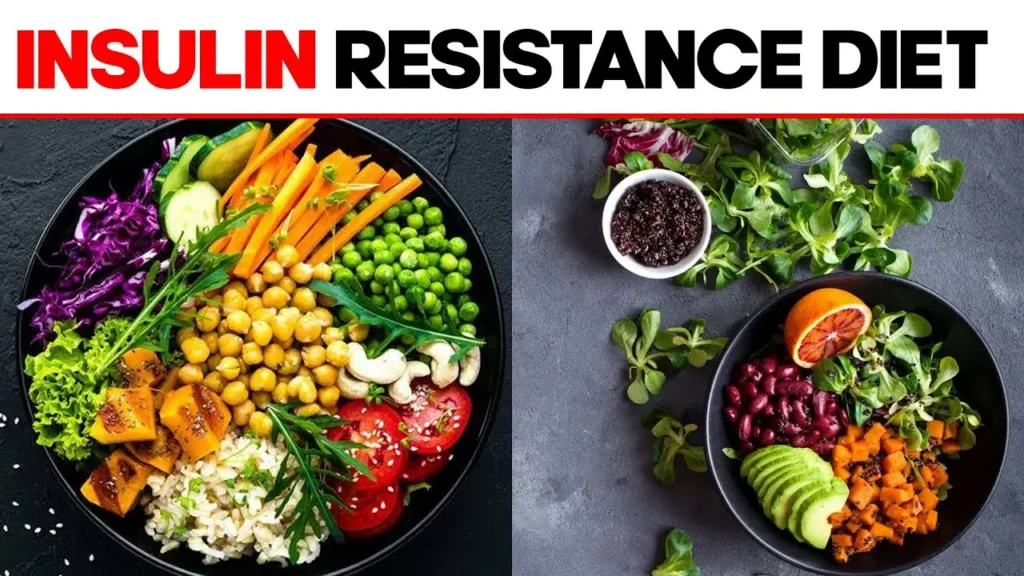
To effectively lower insulin resistance, your plate should be filled with wholesome, nutrient-dense foods that stabilize blood sugar:
- Non-Starchy Vegetables: Broccoli, spinach, kale, cauliflower, and bell peppers offer essential fiber and micro-nutrients without elevating glucose.
- Lean & Healthy Proteins: Pasture-raised eggs, wild salmon, chicken breast, and tofu supply amino acids that promote satiety and preserve lean muscle mass.
- Healthy Fats: Extra virgin olive oil, avocados, chia seeds, and raw nuts help slow down gastric emptying, preventing rapid post-meal sugar spikes.
- Complex Carbohydrates: Moderate portions of high-fiber grains like quinoa, steel-cut oats, lentils, and wild rice provide sustained energy.
Foods to Avoid for Better Blood Sugar Control
Achieving optimal glycemic stability requires eliminating foods that trigger rapid hormonal spikes and systemic inflammation. Primary items to avoid include sugar-sweetened beverages like sodas, sweetened teas, and fruit juices, which deliver concentrated doses of liquid sugar directly into your bloodstream. You should also eliminate refined carbohydrates such as white bread, pastries, commercial cereals, and white pasta. Furthermore, minimize ultra-processed snacks packed with trans fats and high-fructose corn syrup, as these chemical additives directly exacerbate cellular insulin resistance over time.
Prediabetes Treatments: Lifestyle Changes and Medical Options
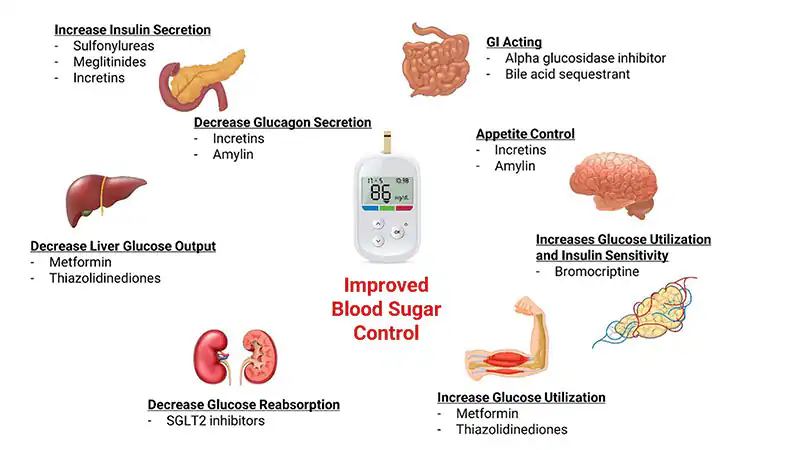
Addressing metabolic dysfunction early involves combining daily habit adjustments with targeted clinical guidance when appropriate. Primary prediabetes treatments focus on dietary restructuring, routine physical activity, stress reduction, and optimizing sleep duration. In clinical settings, physicians may also incorporate pharmacological interventions, such as Metformin, or provide clinical guidance like Insulin Delivery Device Training for advanced blood sugar management. Combining personalized medical care with consistent daily habits ensures the highest probability of restoring long-term metabolic balance.
How I Cured My Insulin Resistance: Habits That Made a Difference
Reversing cellular insulin resistance comes down to adopting consistent, high-impact habits that lower your overall glycemic load:
- Eating Foods in the Right Order: Eating fiber and protein before carbohydrates significantly dampens postprandial blood sugar spikes.
- Prioritizing Quality Sleep: Getting 7–8 hours of restorative sleep per night prevents elevated cortisol, which otherwise drives insulin resistance.
- Taking Post-Meal Walks: A simple 10 to 15-minute brisk walk after major meals allows muscles to clear glucose from the blood independently of insulin.
- Practicing Time-Restricted Eating: Limiting your daily eating window gives your pancreas a needed break, allowing baseline insulin levels to fall.
7-Day Insulin Resistance Diet Meal Plan for Beginners
This simple sample menu demonstrates how balanced, blood-sugar-friendly eating can be both delicious and satisfying:
- Day 1: Scrambled eggs with spinach and avocado; grilled chicken salad with olive oil; baked salmon with roasted broccoli and quinoa.
- Day 2: Greek yogurt with chia seeds and walnuts; turkey wrap in a low-carb spinach tortilla; stir-fried tofu with mixed vegetables and brown rice.
- Day 3: Chia seed pudding with protein powder; tuna salad over dark leafy greens; baked chicken thighs with asparagus and sweet potato wedges.
- Day 4: Omelet with tomatoes and mushrooms; lentil soup with a side green salad; grilled shrimp skewer with zucchini noodles and pesto.
- Day 5: Protein smoothie with spinach and almond butter; sliced turkey breast with cucumbers and hummus; pan-seared cod with roasted cauliflower.
- Day 6: Poached eggs over sauteed kale; grilled beef patties with a large side salad; baked pork chops with sautéed green beans.
- Day 7: Cottage cheese with flaxseeds; chicken and vegetable soup; grilled salmon with wild rice and steamed Brussels sprouts.
Can an Insulin Resistance Diet Help You Lose Weight?
Yes, adopting an insulin resistance diet is one of the most effective strategies for breaking through weight loss plateaus. High circulating insulin acts as a hormonal block on lipolysis, the biochemical process of breaking down stored body fat for fuel. By reducing carbohydrate intake and choosing low-glycemic foods, you lower baseline insulin levels, effectively signaling your body that it is safe to burn fat stores. Additionally, the emphasis on protein, fiber, and healthy fats keeps you naturally full for longer, making calorie control feel effortless without severe hunger.
Exercise Tips to Improve Insulin Sensitivity Naturally
Physical activity serves as a powerful non-pharmacological tool to rapidly clear sugar from your bloodstream. Muscle contractions pull glucose directly into muscle cells via GLUT4 transporters without requiring insulin, instantly reducing blood sugar levels. Aim to combine strength training such as lifting weights or bodyweight exercises three times a week with low-intensity steady-state cardio like walking or swimming. Engaging large muscle groups, particularly your glutes, quadriceps, and hamstrings, creates a massive “glucose sink” that improves your overall metabolic efficiency for hours following your workout.
Common Mistakes That Can Worsen Insulin Resistance
Even with good intentions, several subtle mistakes can stall your progress or worsen metabolic resistance:
- Overconsuming Healthy Sugars: Agave, honey, and large fruit smoothies still trigger substantial glucose and insulin spikes.
- Relying on Processed Low-Carb Foods: Packaged keto bars and snacks often contain hidden starches and artificial ingredients that cause blood sugar volatility.
- Ignoring Chronic Stress: High stress levels keep cortisol elevated, causing your liver to release stored glucose into the blood.
- Cutting Calories Too Drastically: Severe caloric restriction slows down metabolism, triggering hormonal stress responses that worsen insulin sensitivity.
Final Thoughts
Restoring your metabolic health through a targeted insulin resistance diet plan is a steady, transformative journey that pays lifelong health dividends. By focusing on whole, unprocessed foods, moving your body daily, and staying consistent with your routine, you can successfully stabilize blood sugar and achieve lasting weight loss. For more personalized health guidance or to consult with experienced specialists, please visit our Contact Us page today.
Frequently Asked Questions
Q1: What is an insulin resistance diet?
An insulin resistance diet emphasizes fiber, lean protein, healthy fats, and limits refined carbohydrates and sugar.
Q2: When should I get an insulin resistance test?
Get tested if you have prediabetes, obesity, PCOS, or a family history of diabetes.
Q3: Can prediabetes treatments reverse insulin resistance?
Yes, healthy eating, regular exercise, weight loss, and medications can improve insulin resistance significantly.
Q4: Can weight loss improve insulin resistance?
Yes, losing even 5–10% of body weight can improve insulin sensitivity and blood sugar.
Q5: How did I cured my insulin resistance naturally?
Consistent exercise, balanced meals, quality sleep, and weight management helped improve insulin resistance naturally.