
What Is Diabetes and Why Do Early Symptoms Matter?
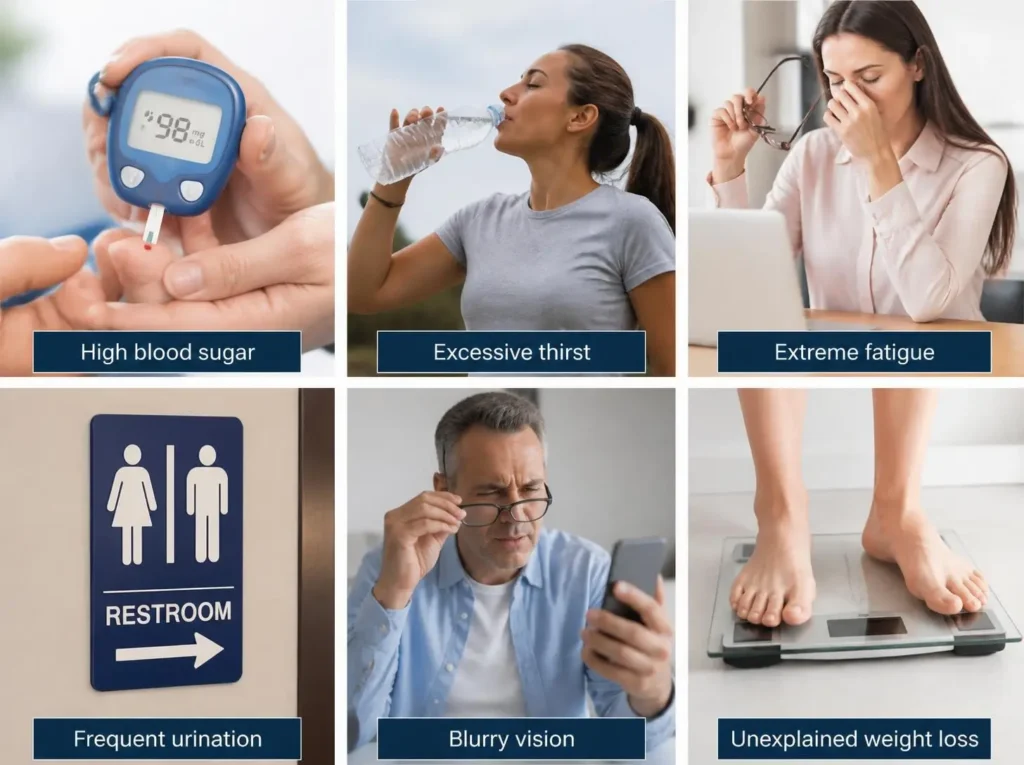
Diabetes often develops slowly, and many people don’t realize they have it until symptoms become more noticeable. That’s what makes the disease so dangerous. By the time someone suspects diabetes, their blood sugar levels may have been elevated for months or even years. According to the American Diabetes Association, early detection can help prevent or delay serious complications. Feeling unusually tired, experiencing increased thirst, or noticing blurry vision are common warning signs that are often mistaken for stress or aging. At Healthbeam Diabetes and Wellness, we emphasize early screening, accurate diagnosis, and personalized care to help identify diabetes before it progresses. Recognizing these warning signs early gives you more treatment options and a better chance of protecting your long-term health.
1. What Is a Normal Diabetes Level?
A healthy range of fasting blood glucose is considered between 70 and 99 mg/dL. If your sugar was measured at 100 to 125 mg/dL, then you probably have one of the conditions of pre-diabetes. Two blood sugar values exceeding a level of 126 mg/dL will diagnose one person with diabetes. For the A1C blood test as well, the same applies, normal level is below 5.7%, 5.7% to 6.4% is pre-diabetic, while above 6.5% shows diabetes.
Your glucose concentrations can be affected by many factors even within a single day, which is why your physician is more likely going to consider trends or averaged values instead of single numbers. It is probably easier for a reader than most people to understand this: your blood sugar level can be a very important piece of your health if you are aware of it and you haven’t actually tested it.
2. How High Blood Sugar Affects Your Body
Extra glucose doesn’t merely pass through your bloodstream harmlessly. Over time, it causes damage to blood vessels gradually, without noise, subtly. In ways that you won’t notice from day to day, for example, by the time you find out, it may have damaged the nerves. Foot numbing is one of early symptoms due to diabetes-related nerve damage. As the blood is passing through kidneys constantly, they are subjected to high sugar levels and it will gradually wear them down. Eyes also don’t get a break from the damaging effect. Besides the physical ones, mood and fatigue may get affected, because although plenty of glucose is present in blood, the cell’s ability to extract and use glucose is impaired.
3. Who Is Most at Risk for Diabetes Type 2?
Family history is a big part of it. Having a parent or sibling with type 2 diabetes will increase your risk to a large extent. The amount of weight you have can play a role too, more accurately an accumulation of fat in the abdominal region. Individuals above the age of 45 are more prone. People engaged in sitting jobs are more susceptible to the disease. In addition, the genetic backgrounds of Black, Hispanic, South Asian populations that expose them to higher statistical risk for reasons researchers still could not decipher. Besides, women having a gestational diabetes history belong to this category. Conditions like high blood pressure and abnormal cholesterol are usually associated with these risk factors.
4. Common Signs of Diabetes EveryPatient Should Watch For
Feeling thirsty all the time even if you drink plenty of water. Going to the bathroom very often, particularly during the night. Weight loss with no evident cause, even eating the same amount as usual which is the point where most people get misled because they link diabetes with gaining weight. The inability to focus on a single spot. Wounds and bruises seem to take so long to heal. Sensation of numbness or tingling in your fingers and toes. Constant fatigue, not being able to overcome it simply by sleeping. These symptoms do not necessarily come up at the same time in every case. A handful might even think they are dealing with something trivial and do not realize they are showing initial signs of serious issues if they get tested sooner.
5. How Diabetes Type 2 Differs From Type 1 Diabetes
Autoimmune Type 1, the disease is called when the body starts to attack its own insulin-producing cells. It is most commonly found in children and young persons. Type 2 develops more slowly, as the body is still able to make some insulin, but the cells gradually begin to show resistance to it. People suffering from Type 1 need insulin therapy immediately. The ones with Type 2 can manage their blood sugar levels for some time with the help of diet and medicine, and maybe even not resort to insulin at all. For a full breakdown of causes, symptoms, and treatment paths for each, read our detailed comparison of type 1 vs type 2 diabetes.
6. When Should You See a Doctor for Diabetes Symptoms?
Autoimmune Type 1, the disease is called when the body starts to attack its own insulin-producing cells. It is most commonly found in children and young persons. Type 2 develops more slowly, as the body is still able to make some insulin, but the cells gradually begin to show resistance to it. People suffering from Type 1 need insulin therapy immediately. The ones with Type 2 can manage their blood sugar levels for some time with the help of diet and medicine, and maybe even not resort to insulin at all.
7. How Diabetes Is Diagnosed and Blood Sugar Levels Are Measured
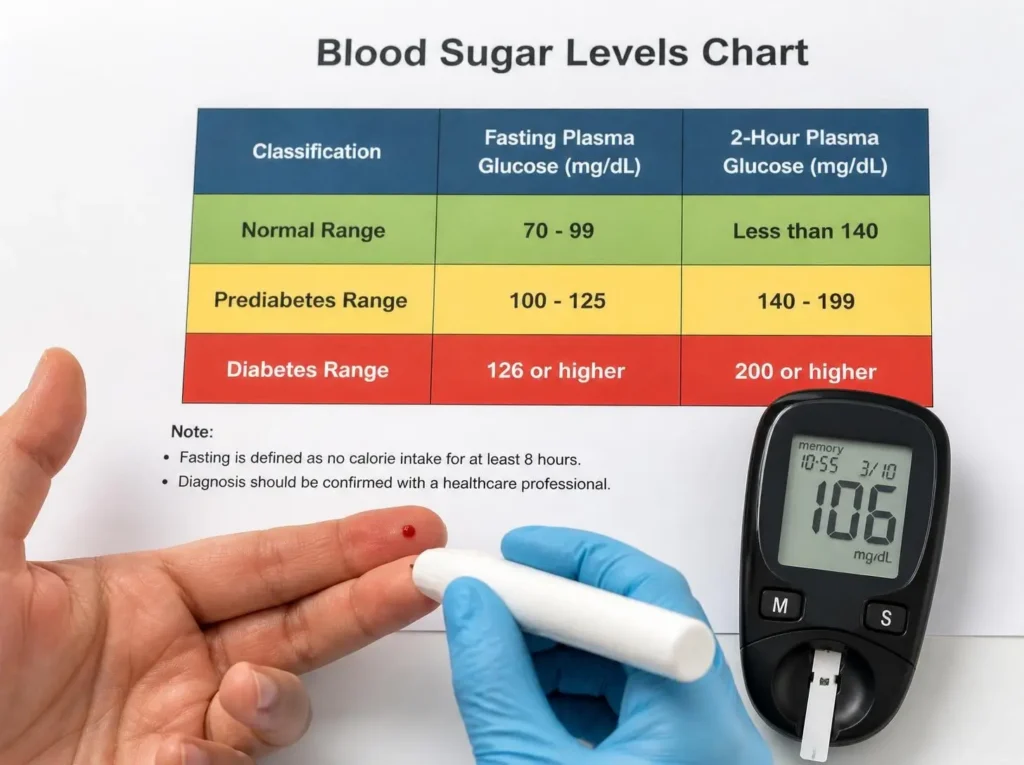
The physicians may do either the fasting plasma test along with the A1C blood glucose test or both. The OGTT is rarely used nowadays, though it is occasionally employed in case of pregnant women. Blood sugar random tests would suffice as well, especially if symptoms are strong enough to not wait for fasting. Generally, two abnormal results on different days would be enough to make the diagnosis. None of the tests require images or invasive methods blood tests and lab examination will do.
8. Diabetes Treatment Options to Help Control Blood Sugar
The drug usually prescribed by doctors as the first treatment for type II diabetes is metformin. On the one hand, the emergence of new drug subclasses like GLP-1 receptor agonists and SGLT2 inhibitors has brought quite a change in treatment over the past several years, besides blood sugar control they bring many additional health benefits to the patients. On the other hand, insulin remains a necessary part of the treatment schedule particularly for type I and sometimes in type II when the diabetes is more progressed. The drug treatments are not only for the sake of sugar but are individualized to suit the patient’s conditions. Hence, the physician may modify the therapy if he/she considers it fit after the initial few months and the patient’s parameters respond in a certain way.
9. Lifestyle Changes That Help Prevent Diabetes Type 2
Losing five to seven percent of your body weight is enough to significantly lower your risk of developing diabetes. Walking for thirty minutes on most days does more than most people realize. Reducing the consumption of sugar-sweetened beverages is more effective than reducing the total intake of sugar in your diet. Lack of adequate sleep can reduce your insulin resistance. All of these things do not need to be perfect. Small, sustained changes are better than large changes in a month.
10. How a Diabetes Patient Can Manage Symptoms Every Day
Daily management comes down to routine, mostly. Checking blood sugar at consistent times. Eating meals on a predictable schedule rather than skipping and overeating later. Medication timing matters just as much as the medication itself. Keeping a log, even a simple one helps you and your doctor spot patterns you’d otherwise miss. Stress management counts too, since cortisol spikes affect glucose regulation in ways that surprise a lot of newly diagnosed patients.
Final Thoughts
Diabetes rarely announces itself loudly. It’s the small stuff, the extra trips to the bathroom, the thirst that won’t quit, the cut that’s taking forever to heal that adds up over time. Paying attention early changes what happens next, sometimes dramatically. If any of these ten signs sound familiar, don’t just wait it out. For a deeper look at what your numbers actually mean once you’re tested, check our guide on understanding A1C levels.
Notice any of these warning signs in yourself or a loved one? Contact Healthbeam Wellness today to schedule testing and receive a FREE initial consultation with our diabetes specialists.
Frequently Asked Questions
Q1: What are 10 warning signs of diabetes?
Increased thirst, frequent urination, unexplained weight loss, blurry vision, slow-healing wounds, tingling in hands or feet, fatigue, increased hunger, dry skin, and frequent infections are among the most common signs.
Q2: What is considered a normal diabetes level?
Fasting blood sugar between 70 and 99 mg/dL is normal. An A1C under 5.7% is also considered normal.
Q3: Can type 2 diabetes be reversed?
In many cases, early-stage type 2 diabetes can be significantly improved or even put into remission through weight loss, diet changes, and exercise.
Q4: How is diabetes different from prediabetes?
Prediabetes means blood sugar is higher than normal but not yet high enough for a diabetes diagnosis. It’s a warning stage, not a final one.
Q5: How often should a diabetes patient check blood sugar?
This depends on treatment type — insulin users often check several times daily, while others on oral medication may check once or twice a day or as directed by their doctor.