
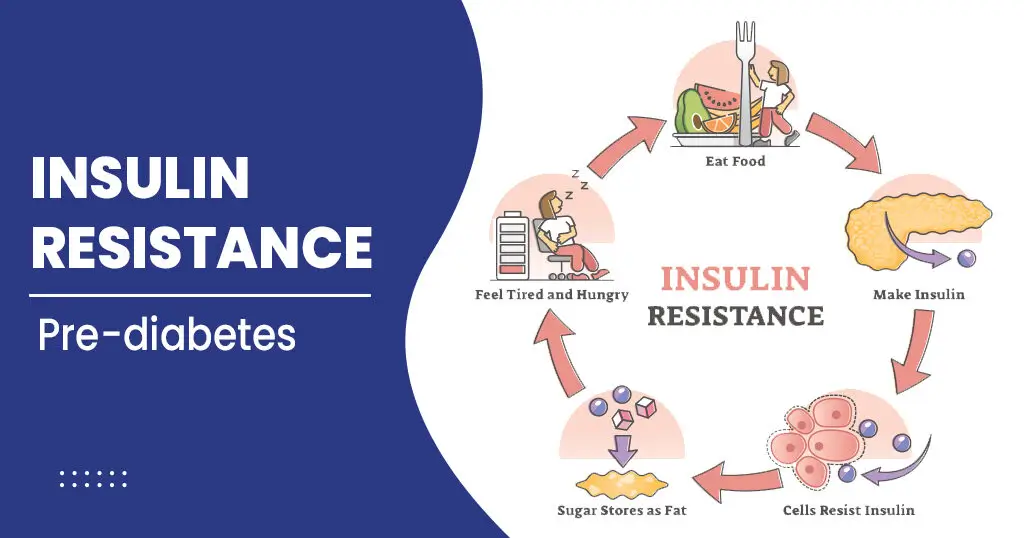
Feeling tired after meals, gaining weight around your midsection, or noticing dark patches on your neck? These may be early signs of insulin resistance. According to the CDC, many people don’t know they have insulin resistance until it develops into prediabetes or type 2 diabetes. At Healthbeam Diabetes and Wellness Center, we provide early screening, personalized testing, and expert lifestyle guidance to help detect insulin resistance before it leads to serious health problems. This guide explains who should get tested, the types of tests available, and how to understand your results.
Who Should Get an Insulin Resistance Test?
There’s no need for everyone to undergo this particular test. However, some demographics would do well to seriously think about taking this step. If you happen to be overweight, there’s a history of type 2 diabetes in your family, or you’ve been diagnosed with PCOS, your chances are quite high and so is the recommendation for this test. The category also includes women who experienced gestational diabetes during pregnancy. Likewise, people who are older than 45, particularly if blood pressure or cholesterol levels have been rising, are also in the category. Are you leading a sedentary life? That should be added to the risk factors. In addition, doctors suggest testing when a person has had months of unexplained fatigue. There is absolutely no harm in consulting physicians at most, you receive a health clearance.
Common Signs You May Need an Insulin Resistance Test
It is true that some symptoms are quite difficult to notice while others are quite evident. Eating a meal rich in carbohydrates that leaves one feeling very tired is one of the major health warning signs that people tend to overlook. Feeling hungry again just after a meal is another one. Weight gain, especially around the waist area, frequently occurs even before a person’s blood sugar level changes at all. Skin is not a part to be ignored also. A typical sign physicians search for is dark or velvety patches (acanthosis nigricans) on skin folds. Problems concentrating. Inability to reduce body weight despite making changes to the diet. Should two or three of the above be applicable to the reader it is advisable to go for a medical checkup.
Insulin Resistance Test Name: Which Tests Do Doctors Recommend?
You shouldn’t be surprised to know that there are multiple tests at play. Usually, the physician will prescribe a fasting insulin test together with a fasting glucose test first. Then, with the help of both sets of numbers, a calculation of so-called HOMA-IR is carried out that estimates insulin resistance.
Fatigue is not only caused by sleep loss. Other causes may be illness, side effects of medication, emotional factors or stress. So even if you are going to bed rested or get 8 hours sleep, you might still feel tired. There has even been a term coined for it in some circles: sleep inertia. Certain types of medical services might choose the oral glucose tolerance test (OGTT) that measures how much of a person’s blood is affected after the individual has consumed an orange or sugar drink.
The blood sugar of the individual is tracked after the sugar drink has been consumed over the span of two hours through which blood testing is done twice a day. The combination of two or more of such testing is the only way to get a perfect read as none of them alone is the ultimate way to test. Doctors normally carry out such a combo to be safe in making a clear diagnosis about insulin resistance.
How Is an Insulin Resistance Test Performed?
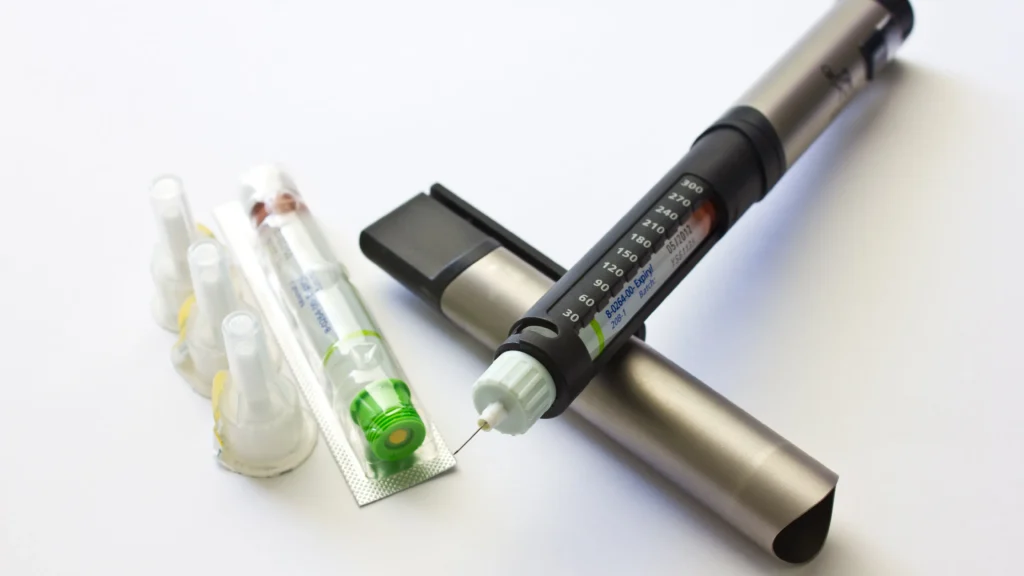
Blood tests to measure fasting insulin and glucose are very straightforward. You go in, get a little blood draw, results get out within a few days. For the OGTT, it will last longer, about two hours because you have glucose solution and get tested at given time intervals. No surgery, no scans, nothing invasive apart from a needle. A number of clinics perform a physical fast on the day of the test and get the results on the same day. Others send samples for testing to outside labs that results in a longer waiting period from three to four days.
Can You Take an Insulin Resistance Test at Home?
There are at-home kits which actually do a very good job of identifying fasting glucose. The problem being insulin levels are difficult to test outside a lab and most home kits don’t even measure insulin. Thus, the result you could obtain from such a test would only include the glucose level while missing the essential HOMA-IR value of which your physician really would get insights. A home testing kit might be the best first approach especially if you value convenience above exactness. For anything conclusive, though, book a proper lab test through a specialist rather than relying on a finger-prick kit alone.
Insulin Resistance Test Price: How Much Does It Cost?
The price you pay depends greatly on your location and the services involved. For example, a simple fasting insulin test can cost anywhere from $30-$80 out-of-pocket. After adding the results of the glucose test and HOMA-IR calculation, the total cost is about $50-$150. On the other hand, OGTT tests are usually more expensive since it is a longer process with a few blood draws, and the price varies from $100-$250. If you have a history of obesity or PCOS and your doctor documents it, then insurance often pays part of your expenses. If you don’t have insurance, it is likely that the big laboratories will give you price deals in comparison to hospital-based testing.
How to Prepare for an Insulin Resistance Test
Fasting is basically the main thing to do for most of these tests, eight to twelve hours in most cases. Water intake is not a problem, but coffee even without milk is, technically. This is because caffeine can alter blood sugar levels reading in a small but noticeable way. Strenuous exercise should be avoided 24 hours before the day of the test as it leads to temporary changes in insulin sensitivity. A few doctors may even advise you to suspend certain drugs for a couple of days before a test so you had better inform them about what you are taking. Also, you should allow yourself to get a sound sleep because a bad night’s sleep has been shown to interfere with both glucose and insulin measures in a much greater way than many individuals realize.
What Happens If Your Insulin Resistance Test Is Positive?
If the blood test shows a positive result for diabetes risk, your body needs insulin more than it used to regulate sugar level in the case of diabetes – it is a warning, not a diagnosis of diabetes. Your doctor might suggest lifestyle changes such as changing habits with food, doing more physical activity and losing a few (say five to ten percent) kilos if they have done it for themselves. In some cases, the prescription of medication like metformin will follow, especially if the other risk factors are combined. Checking whether the changes have brought the desired outcome is usually done with the help of tests conducted within three to six months. Taking prompt action here can really influence the results.
How to Improve Insulin Resistance Naturally
Undoubtedly, the diet is a chief contributor. Cutting a person’s consumption of refined carbohydrates and added sugars results in noticeable changes in health status in weeks for most people. Also, strength training two or three times a week, according to some studies, is more influential in improving insulin sensitivity than only performing cardiovascular workouts. In fact, sleep is a huge factor which gets underestimated. Short sleeping for a long period leads to worse insulin resistance even without considering diet. Similarly, stress management, when you manage to lower stress levels, cortisol decreases and this is one way to reduce glucose regulation problems. For a full breakdown of foods, workouts, and daily habits that actually move the needle, check out our detailed guide on reducing insulin resistance naturally.
When Should You Repeat an Insulin Resistance Test?
Depends on your numbers and risk level. If your first test came back borderline, doctors usually recommend retesting in three to six months. Fully normal results with low risk factors? Annual testing is often enough. If you’ve started medication or made major lifestyle changes, a three-month follow-up helps confirm things are moving in the right direction. Pregnant women with gestational diabetes history get tested more frequently, sometimes every trimester. Talk to your doctor about a schedule that actually fits your situation instead of guessing.
Final Thoughts
Insulin resistance quietly progresses in individuals without them realising. It is unlikely that you will come across a striking symptom that would prompt you to take any action at all; you just gradually pick up on some of these subtle signs which may accumulate over months (or sometimes years). Getting diagnosed earlier will be an advantage as there are more possibilities that are taken away if diabetes becomes full blown. If you belong to a high-risk group that requires more attention or simply you want to get to the bottom of things, doing a simple blood test is one way of understanding what signs that the body of yours has been trying to convey to you for a while.
Ready to check where you stand? Contact Healthbeam Wellness today to schedule your insulin resistance testing and get personalized guidance from our specialists.
Frequently Asked Questions
Q1: How long does it take to get insulin resistance test results?
Fasting insulin and glucose results usually come back in two to four days. OGTT results may take a bit longer since multiple samples are analyzed.
Q2: Is fasting required before an insulin resistance test?
Yes, most tests require eight to twelve hours of fasting. Water is fine; coffee and food aren’t.
Q3: Can insulin resistance be reversed completely?
In many cases, yes, especially when caught early. Diet, exercise, and weight management often restore normal insulin sensitivity within months.
Q4: Does insurance cover insulin resistance testing? Often, particularly if your doctor documents risk factors like obesity, PCOS, or family history. Coverage varies by plan.
Q5: What’s the difference between insulin resistance and prediabetes?
Insulin resistance is the underlying mechanism; prediabetes is a diagnosis based on blood sugar levels that result from it. You can be insulin resistant without meeting prediabetes criteria yet.