
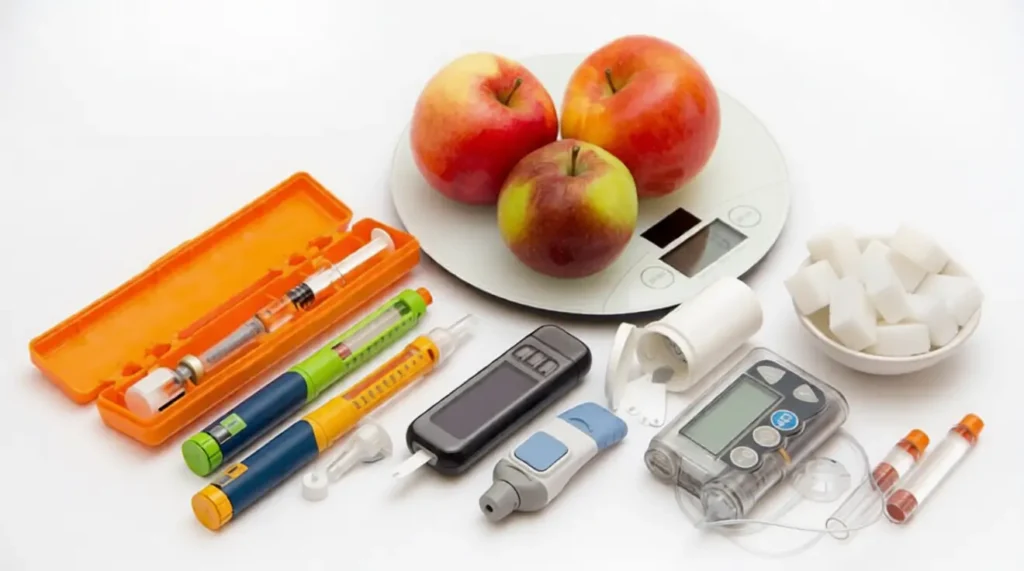
Carb counting for diabetics is a very important and practical method that helps people with diabetes control their blood sugar levels in a more stable and predictable way.Carb counting is a very important and practical method that helps people with diabetes control their blood sugar levels in a more stable and predictable way. It focuses on understanding how many carbohydrates are present in different foods and how those carbohydrates affect glucose in the body. When someone practices this method regularly, they become more aware of what they are eating and how it impacts their health. This approach also helps in avoiding sudden sugar spikes and energy crashes. Over time, it becomes a simple daily habit that supports better meal planning, portion control, and overall diabetes management in a more balanced and healthy lifestyle.
What Is Carb Counting for Diabetics?
Carb counting for diabetics is a dietary planning method that helps individuals track the number of carbohydrates they consume in each meal and snack throughout the day. Personalized Type 1 and Type 2 Diabetes Care Virtual & In-Person plays an important role in supporting this approach by guiding individuals on how to manage their nutrition more effectively. It is important because carbohydrates directly affect blood sugar levels, so understanding them is very important. When people use this method, they learn how to read food labels, measure portion sizes, and identify foods that contain high or low carbohydrates. This knowledge helps them make better food choices and maintain steady blood glucose levels. With consistent practice, carb counting for diabetics becomes easier and more natural, allowing individuals to manage their diet more confidently without feeling restricted or confused about what they should eat.
Why Carb Counting Is Important for Diabetes Management
Carb counting is extremely important because it helps maintain stable blood sugar levels throughout the day and reduces the risk of sudden glucose spikes or drops. When individuals understand carbohydrate tracking, they can plan meals more effectively and avoid foods that may cause health issues. It also helps people who take insulin because it allows them to match insulin doses with the amount of carbohydrates they eat. This leads to better diabetes control and fewer complications over time. In addition, it encourages healthier eating habits, better portion control, and more awareness about daily nutrition, which all contribute to improved long-term health and energy stability.
How to Start Carb Counting Step by Step
Carb counting can be started by learning basic carbohydrates in foods like bread, rice, fruits, and snacks. Diabetes in Pregnancy Care Safe Management for Mom & Baby is especially important because it helps maintain stable blood sugar during pregnancy. Reading nutrition labels and tracking carbs improves awareness and control. As practice continues, carb counting becomes a natural habit supporting better glucose control for diabetics. This approach improves long-term health outcomes and daily diet management effectively for better living.
Recommended Daily Carb Intake for Diabetics
Carb counting is not the same for everyone because each person has different health needs, activity levels, and medical conditions. However, it helps understand how to balance carbohydrate intake throughout the day. Many people with diabetes are advised to spread their carbs evenly across meals to avoid sudden blood sugar changes. It also helps in identifying the right portion sizes for breakfast, lunch, and dinner while managing snacks properly. Some individuals may need a lower-carb diet, while others may tolerate moderate amounts. Therefore, this approach should always be personalized and guided by a healthcare professional for safe and effective results.
Best Foods for Carb Counting in Diabetics
Carb counting works best when combined with Comprehensive Diabetes Self-Management Education (DSME) and healthy food choices that support stable blood sugar levels. Foods like whole grains, vegetables, legumes, and low-sugar fruits are excellent options because they contain fiber and release energy slowly into the body. These foods make carb counting easier because they help prevent sudden glucose spikes. On the other hand, processed foods, sugary drinks, and refined carbohydrates should be limited as they can cause quick increases in blood sugar. By choosing nutrient-rich foods, carb counting for diabetics becomes more effective and beneficial for long-term health, energy balance, and improved diabetes control in everyday life.
Common Mistakes to Avoid in Carb Counting
Carb counting for diabetics can sometimes become inaccurate if people make common mistakes such as ignoring hidden carbohydrates in sauces, drinks, or packaged foods. Another mistake is guessing portion sizes instead of measuring them properly, which can lead to incorrect carb calculations. Carb counting for diabetics also becomes less effective when individuals do not track their meals consistently or fail to balance carbohydrates with protein and healthy fats. This can cause unstable blood sugar levels. Using a structured meal plan can help reduce these errors. By avoiding these mistakes, carb counting for diabetics becomes more reliable and helps individuals achieve better diabetes control.
Conclusion
Carb counting is a powerful and practical method that helps individuals manage their blood sugar levels more effectively and confidently. It teaches awareness of food choices, portion sizes, and carbohydrate content, which all play an important role in diabetes control. With proper guidance and regular practice, this approach can make diabetes management easier, healthier, and more sustainable for anyone. It also reduces the risk of complications by helping maintain balanced glucose levels. With proper guidance and regular practice, carb counting for diabetics can make diabetes management easier, healthier, and more sustainable for anyone contact us:
Frequently Asked Questions
What is carb counting?
Carb counting helps track food intake for better blood sugar control daily.
Why is carb tracking important?
It helps manage glucose levels and prevents sudden spikes or drops effectively.
Can beginners learn carb counting?
Yes, simple steps and practice make it easy for beginners over time.
What foods have carbs?
Bread, rice, fruits, and dairy products all contain natural carbohydrates daily.
Do diabetics need meal plans?
Yes, structured meal plans support balanced nutrition and stable blood sugar levels.