
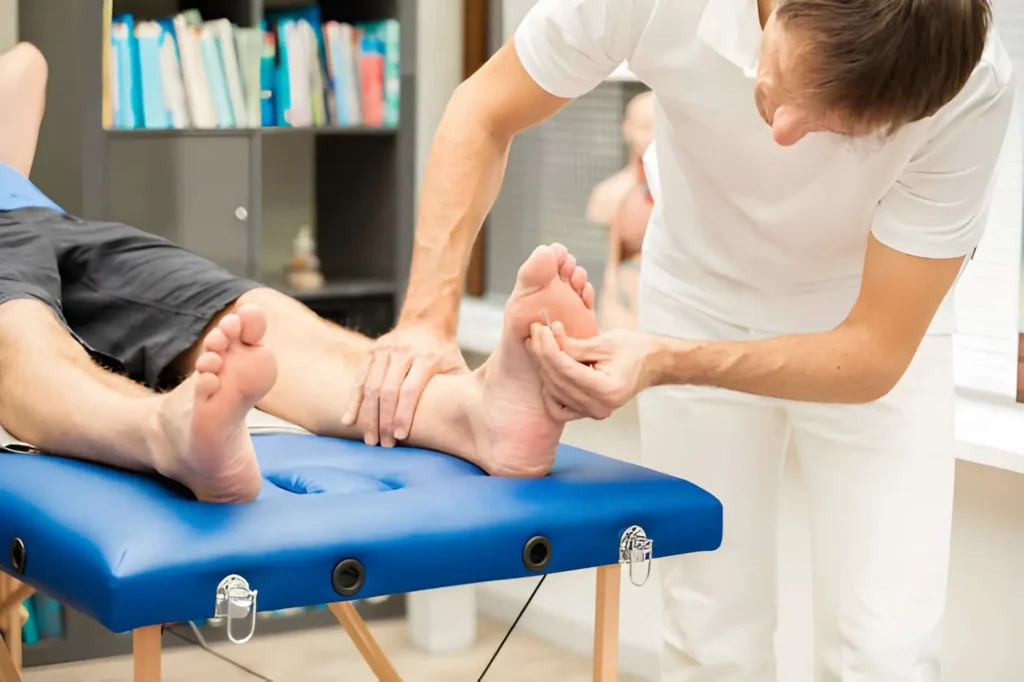
Diabetic neuropathy is one of the most common and most painful complications of diabetes. It affects up to 50% of people living with the condition. The burning, tingling, stabbing, or numbness especially in the feet and legs can be constant and exhausting. If you are searching for diabetic neuropathy pain relief, you are not alone. The good news is that real options exist. From medications to lifestyle changes to alternative therapies, there are effective ways to reduce pain and improve your quality of life. Understanding what works and why is the first step toward feeling better.
What Is Diabetic Neuropathy?
Diabetic neuropathy is nerve damage caused by prolonged high blood sugar levels. Over time, elevated glucose damages the small blood vessels that feed your nerves. Without a good blood supply, nerves begin to malfunction and deteriorate.
There are several types of diabetic neuropathy, but the most common is peripheral neuropathy, which affects the hands and feet. Symptoms include:
- Burning or shooting pain
- Tingling or “pins and needles”
- Numbness or loss of sensation
- Extreme sensitivity to touch
- Weakness in the feet or hands
Finding effective diabetic neuropathy pain relief starts with understanding what type of neuropathy you have and how severe it is.
Blood Sugar Control: The Foundation of Relief
The single most important step for diabetic neuropathy pain relief is controlling blood sugar. High glucose levels are the root cause of nerve damage. When blood sugar stays in a healthy range consistently, nerve damage slows and in early stages, some nerve function may even return.
This means:
- Following your prescribed meal plan carefully
- Taking diabetes medications as directed
- Monitoring blood glucose regularly
- Working closely with your care team to adjust treatments
Visit Prediabetes and Insulin Resistance Care to understand how managing insulin resistance early can help prevent neuropathy from developing or worsening.
Medications for Diabetic Neuropathy Pain Relief
Several classes of medication are approved and proven for diabetic neuropathy pain relief:
1. Anticonvulsants Pregabalin (Lyrica) and gabapentin are commonly prescribed. They calm overactive nerve signals and reduce burning and shooting pain. They are often the first medications recommended.
2. Antidepressants Duloxetine (Cymbalta) is FDA-approved specifically for diabetic neuropathy pain. Tricyclic antidepressants like amitriptyline are also used. These medications affect pain signals in the brain and spinal cord.
3. Topical Treatments Capsaicin cream (made from chili peppers) applied to painful areas can reduce pain signals over time. Lidocaine patches also provide localized diabetic neuropathy pain relief without systemic side effects.
4. Pain Medications In severe cases, doctors may prescribe tramadol or other pain relievers. These are typically used short-term due to the risk of dependence.
Always discuss medication options with your doctor. What works for one person may not work for another, and combinations of treatments often work best.
Physical Therapy and Exercise
Exercise is a powerful and often underused tool for diabetic neuropathy pain relief. Regular physical activity:
- Improves blood flow to damaged nerves
- Reduces inflammation
- Helps maintain healthy blood sugar levels
- Strengthens muscles weakened by neuropathy
- Releases natural pain-relieving endorphins
Low-impact exercises are safest for people with foot neuropathy. Swimming, cycling, chair yoga, and walking are excellent options. A physical therapist can design a program tailored to your specific symptoms and limitations.
Learn more about personalized care tools through Insulin Delivery Device Training, which is part of a broader approach to managing diabetes effectively.
TENS Therapy and Electrical Stimulation
Transcutaneous Electrical Nerve Stimulation (TENS) is a non-drug option for diabetic neuropathy pain relief. A small device sends low-voltage electrical currents through the skin, which interferes with pain signals traveling to the brain.
Many patients report significant relief from TENS therapy, particularly for foot and leg pain. TENS units are available by prescription or over the counter, though it is best to start under medical supervision to ensure proper use and placement.
Alternative and Complementary Therapies
Several complementary approaches have shown promise for diabetic neuropathy pain relief:
Acupuncture Some studies show acupuncture reduces neuropathic pain by stimulating the nervous system and promoting blood flow. It is generally safe and well-tolerated.
Alpha-Lipoic Acid (ALA) This antioxidant supplement has been studied extensively for neuropathy. ALA helps reduce oxidative stress, which contributes to nerve damage. It is widely used in Europe as a standard neuropathy treatment.
Vitamin B12 B12 deficiency worsens neuropathy. People taking metformin for diabetes are at higher risk of B12 depletion. Supplementing or eating B12-rich foods can support nerve health.
Warm Soaks and Foot Care Gentle warm water soaks can relieve pain temporarily. Proper foot care, regular inspection, moisturizing, and protective footwear also prevents complications that make neuropathy worse.
Lifestyle Changes That Make a Real Difference
Beyond blood sugar control, several lifestyle habits support diabetic neuropathy pain relief:
- Quit smoking: Smoking reduces blood flow and accelerates nerve damage
- Limit alcohol: Alcohol is toxic to nerves and worsens neuropathy
- Maintain a healthy weight: Reducing pressure on feet and legs helps reduce pain
- Sleep hygiene: Good sleep helps the body repair and reduces pain sensitivity
- Stress management: Chronic stress amplifies pain perception
These changes are not quick fixes, but over weeks and months, they create a meaningful difference in daily pain levels and overall wellbeing.
When to See a Specialist
If your neuropathy pain is not controlled with basic measures, it is time to see a specialist. A neurologist, pain management specialist, or podiatrist can offer advanced assessments and treatments.
Do not ignore new or worsening symptoms especially foot sores, wounds that won’t heal, or complete loss of sensation. These can lead to serious infections and complications.
Connect with a care team that understands neuropathy by visiting Health Beam Wellness for comprehensive support.
Conclusion
Diabetic neuropathy pain relief is possible. It requires a combination of approaches controlling blood sugar, using appropriate medications, staying physically active, and exploring complementary therapies. No single treatment works for everyone, but with the right team and the right plan, meaningful relief is within reach. Do not give up. With consistent effort and good care, your quality of life can improve significantly.
Frequently Asked Questions
Q1: What is the fastest way to get diabetic neuropathy pain relief?
Topical treatments like capsaicin cream or lidocaine patches can provide relatively fast localized relief. Medications like pregabalin also work quickly for many patients.
Q2: Can diabetic neuropathy be reversed?
In early stages, improving blood sugar control can partially reverse nerve damage. In advanced cases, the goal shifts to preventing further damage and managing pain.
Q3: Is exercise safe with diabetic neuropathy?
Yes, with proper footwear and guidance. Low-impact activities like swimming or cycling are particularly safe and beneficial for circulation and pain relief.
Q4: Does alpha-lipoic acid really help with neuropathy?
Research supports its use. Alpha-lipoic acid reduces oxidative stress in nerves and has shown measurable improvements in neuropathy symptoms in multiple studies.
Q5: Should I see a specialist for neuropathy pain?
If pain is not controlled with standard treatments, yes. A neurologist or pain specialist can offer more targeted interventions and rule out other causes.