
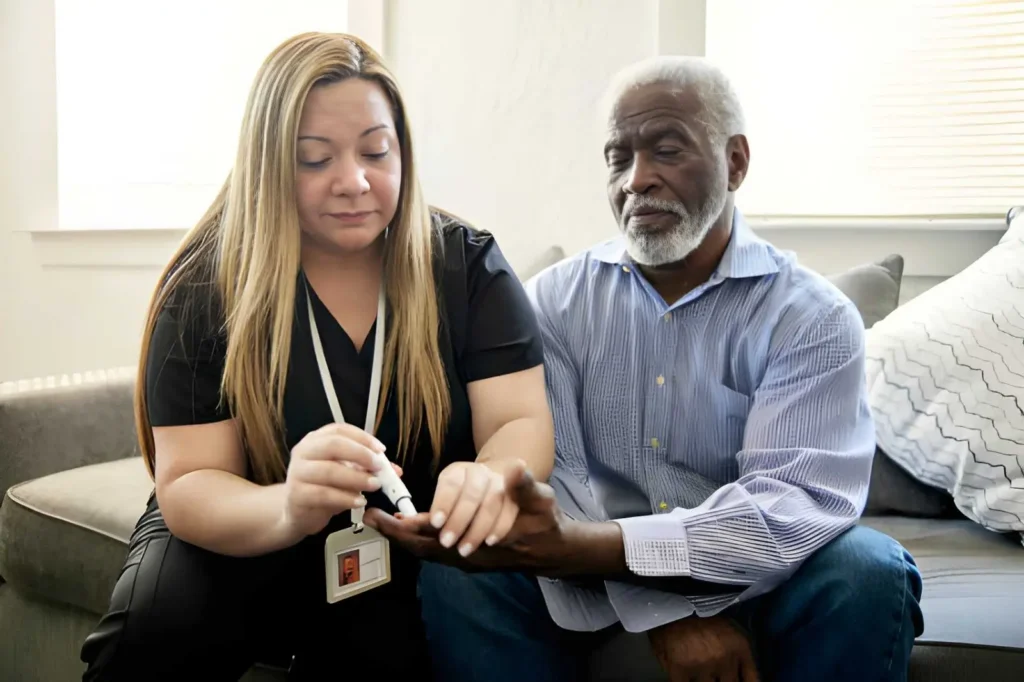
Managing diabetes is hard. But for millions of people around the world, it becomes even harder when their doctor does not understand their culture, food habits, or beliefs. Culturally sensitive diabetes care means treating every patient as a whole person including their background, language, values, and lifestyle. When healthcare providers practice this type of care, patients feel heard, respected, and motivated to manage their health. Studies show that patients who receive culturally sensitive diabetes care are more likely to follow treatment plans, attend checkups, and control their blood sugar levels.
What Is Culturally Sensitive Diabetes Care?
Culturally sensitive diabetes care is a healthcare approach that respects and includes a patient’s cultural identity in every part of their treatment. This includes the food plans a doctor recommends, the language used during appointments, and even the way health education is delivered.
For example, a South Asian patient may eat rice and lentils daily. A culturally aware provider will not simply say avoid carbs. Instead, they will work with the patient to choose healthier portion sizes and cooking methods that fit their traditional diet. This small shift makes a huge difference in how patients respond to treatment.
You can learn more about patient-centered approaches at Health Beam Wellness, a platform dedicated to inclusive and personalized diabetes education.
Why Culture Matters in Diabetes Management
Culture shapes everything: what we eat, how we exercise, how we talk about illness, and whether we trust doctors. Ignoring culture in diabetes management leads to:
- Poor communication between patient and doctor
- Low medication adherence
- Missed appointments
- Worse blood sugar control
- Higher risk of complications
When providers practice culturally sensitive diabetes care, they remove these barriers. Patients feel safe asking questions. They are more willing to make lifestyle changes when the advice fits their real life.
The Role of Language in Diabetes Care
Language is one of the biggest barriers in diabetes management. A patient who does not fully understand their diagnosis, medication instructions, or diet plan is at serious risk. Providing care in a patient’s native language or using trained interpreters is a core part of culturally sensitive diabetes care.
Health literacy also matters. Even in English, medical words can be confusing. Good culturally aware providers use simple, clear language. They explain terms like A1C,insulin resistance,and blood glucose in ways that make sense to everyday people.
Explore how comprehensive education can support your diabetes journey through Comprehensive Diabetes Self-Management Education.
Food and Culture: Finding Common Ground
Food is deeply tied to culture and identity. Telling a patient to stop eating traditional foods without offering alternatives is not just unhelpful, it can feel disrespectful. Culturally sensitive diabetes care means working with patients to find healthy versions of the foods they love.
For a Mexican patient, this might mean learning to prepare traditional beans and vegetables in lower-fat ways. For a Chinese patient, it might mean choosing brown rice over white rice or adjusting portion sizes. These practical, culture-aware changes are far more likely to succeed than a one-size-fits-all diet sheet.
Trust and Community in Diabetes Outcomes
In many cultures, people trust their family elders, religious leaders, or community healers more than Western doctors. A culturally competent provider understands this. They involve family members in care decisions. They respect faith-based healing traditions while gently guiding patients toward evidence-based treatment.
Building trust is not instant. It takes consistent, respectful interaction. But when trust is built, outcomes change dramatically. Patients who trust their providers are far more likely to take their medications, test their blood sugar, and report problems early on all key parts of managing diabetes well.
Training Healthcare Providers in Cultural Competency
It is not enough to just be kind. Providers need actual training in culturally sensitive diabetes care. This includes:
- Learning about the diabetes risk factors that differ between ethnic groups
- Understanding health beliefs and practices in different communities
- Recognizing unconscious bias in clinical settings
- Using culturally tailored patient education materials
Organizations that invest in this training see measurable improvements in patient outcomes. Healthcare systems that prioritize cultural competency also report better patient satisfaction scores and lower hospital readmission rates.
Real-World Outcomes of Culturally Sensitive Care
Research consistently shows that culturally sensitive diabetes care leads to better results. Patients from minority and immigrant communities who receive culturally tailored care show:
- Lower A1C levels over time
- Better medication adherence
- Increased participation in diabetes education programs
- Greater satisfaction with their healthcare experience
These are not small improvements. They represent real changes in people’s lives, fewer complications, fewer hospitalizations, and a better quality of life.
Get started on a personalized care plan by reaching out through the Contact Us page at Health Beam Wellness.
How to Find Culturally Sensitive Diabetes Care
If you or a loved one is managing diabetes, here is what to look for in a provider:
- Do they ask about your cultural background and food habits?
- Do they offer materials in your language?
- Do they involve your family in discussions?
- Do they respect your beliefs while offering medical advice?
If the answer is no, it may be time to find a provider who offers true culturally sensitive diabetes care.
Conclusion
Culturally sensitive diabetes care is not a luxury, it is a necessity. When providers understand and respect who their patients are, patients respond. They engage with their treatment. They make sustainable lifestyle changes. And most importantly, they get healthier. Every patient deserves care that fits their life, not just their lab results.
Frequently Asked Questions
Q1: What does culturally sensitive diabetes care mean?
It means healthcare that respects a patient’s cultural background, food habits, language, and values when creating a diabetes management plan.
Q2: Why is culture important in diabetes treatment?
Culture affects diet, exercise, beliefs about medicine, and trust in doctors all of which directly impact how well a patient manages their diabetes.
Q3: How does language affect diabetes care?
Language barriers lead to misunderstandings about medications, diet, and symptoms. Providing care in a patient’s language improves safety and outcomes.
Q4: Can culturally sensitive care lower A1C levels?
Yes. Studies show patients who receive culturally tailored care show measurable improvements in A1C levels and overall blood sugar control.
Q5: How can I find a culturally competent diabetes provider?
Look for providers who ask about your culture, offer translated materials, involve your family, and adjust dietary advice to fit your food traditions.