

Diabetes care in pregnancy is an ongoing task that involves checking blood sugar, modifying diet and drugs when necessary, and monitoring any complications so that both mothers and babies remain healthy right from conception to delivery and afterwards.
Whether one has already been diagnosed with type 1 diabetes or type 2 diabetes or has gestational diabetes, which is the kind of diabetes which the body develops only during pregnancy, it is the regular checks and a team of experts who take joint decisions that will decide whether the pregnancy is a simple one or one that is characterized by high blood pressure and difficulties in labor, or even an oversized baby.
Couples in Greenbelt, MD, who are expecting can benefit greatly from knowing what to watch for, how diabetes is treated at each stage, and what happens after delivery as this will change the stress of being diagnosed with diabetes into an element of the pregnancy journey that can be handled quite well.
Understanding Diabetes Care in Pregnancy
Diabetes Care in Pregnancy is generally characterized either by pre-existing diabetes, type 1 or type 2, that a woman was diabetic from prior to the onset of pregnancy or by a type that emerges, namely, gestational diabetes. Gestational one is the most common type, which usually starts in the second or third trimester when pregnancy hormones make it more difficult for the body to use insulin.
Both types cause elevated levels of the blood sugar, however, the means by which management of each is undertaken differs. Women with a type of diabetes that is preexisting generally control their blood sugar at a higher level from before being pregnant as such sugar spikes at the time of the baby’s development increase the possibility of defects in the fetus. Gestational diabetes, however, is the most common diabetes discovered through regular blood work between week 24 and 28 and usually goes away after delivery, but mothers with this type have a much higher risk of having type 2 diabetes later on in their life.
Diabetes in Pregnancy Signs to Watch For
Most women with gestational diabetes won’t even notice any significant symptoms at all. Therefore it would be the main reason to undergo regular glucose screening. When symptoms do present themselves, they may well be confused as usual pregnancy discomforts. Signs that common diabetes can have during a pregnancy include:
- Increased but not normal thirst
- Urination more frequent than only because of pregnancy
- Extreme tiredness to the point of being more than the usual tiredness of the pregnancy
- Blurred vision
- Persistent yeast infections or UTIs
- Nausea unrelated to the timing of morning sickness
These symptoms are so similar to normal pregnancy changes, self-diagnosis is hardly ever correct. A single glucose tolerance test is still the preferred test to rule out if a woman’s blood sugar level is beyond a healthy range.

Pre-Existing Diabetes in Pregnancy: Special Considerations
Women with gestational diabetes often need to make a new set of decisions. Preconception planning allows well-controlled blood sugar in the weeks before and just after conception to greatly reduce the risk of miscarriage and major organ abnormalities. After the pregnancy the treatment regimen will usually involve:
- Much more frequent A1C and glucose testing than is the usual for non-diabetic pregnant women
- Regular fine-tuning of insulin dose as pregnancy progresses and insulin resistance naturally increases
- Continuous glucose monitoring (CGM) to keep tabs on patterns in real time which leading diabetes organizations for patients with type 1 diabetes highly recommend nowadays
- Extra ultrasounds and other fetal monitoring to monitor the growth of the fetus and also detecting potential complications right at the earliest
- Multi-disciplinary medical care between an endocrinologist, a gynecologist or obstetrician, and a dietician
Current Diabetes Care in Pregnancy Guidelines
It is important to recognize that medical recommendations are continually being updated based on the latest research and evidence, leading us to focus on a couple consistent themes which are highly emphasized today:
- Gestational diabetes screening is now universally recommended between 24 and 28 weeks of pregnancy, with the exception of high-risk women who should be tested early. Women considered high risk include those who are overweight or obese, those who had a prior diagnosis of gestational diabetes, or women coming from families with a significant presence of type 2 diabetes.
- The glucose level goals in pregnancy are lower than those for non-pregnant women simply because even small increases can impact the baby’s growth.
- Customized care plans starting with dietary changes and exercise, followed when needed by the addition of insulin or medications approved for pregnancy as it turns out lifestyle modifications alone are insufficient to meet these blood glucose targets.
- Glucose monitoring, which is assisted by technology, such as continuous glucose monitoring or CGM, is rapidly gaining more popularity because it enables both patients and their doctors to react swiftly to glucose fluctuations, not just one-off measurements.
- Regular check-ups after giving birth so that blood sugar will need to be reviewed a few times after birth and that these can also be done on a regular basis subsequently.
Consistently following these standards is a highly effective way of reducing the chances of preeclampsia, delivery by cesarean and the risk of babies developing complications such as excessive weight and neonatal hypo-glycemia.
Nutrition and Lifestyle Strategies That Actually Help
No matter if they have been prescribed medications later, diet and exercise remain the two main cornerstones for diabetes care in pregnancy. There are several practical actions that women with diabetes in pregnancy can take. Here are some tips:
- Break meal times and snacks throughout the day to prevent dramatic blood glucose surges
- Select high-fiber carbohydrates like vegetables, beans and whole grains as primary sources of carbohydrates instead of refined sugars and processed products
- Combining carbohydrates with protein or healthy fat sources can help slow down glucose entering the bloodstream
- Engage in pregnancy-safe physical activities such as walking or swimming as these can significantly decrease the required levels of insulin
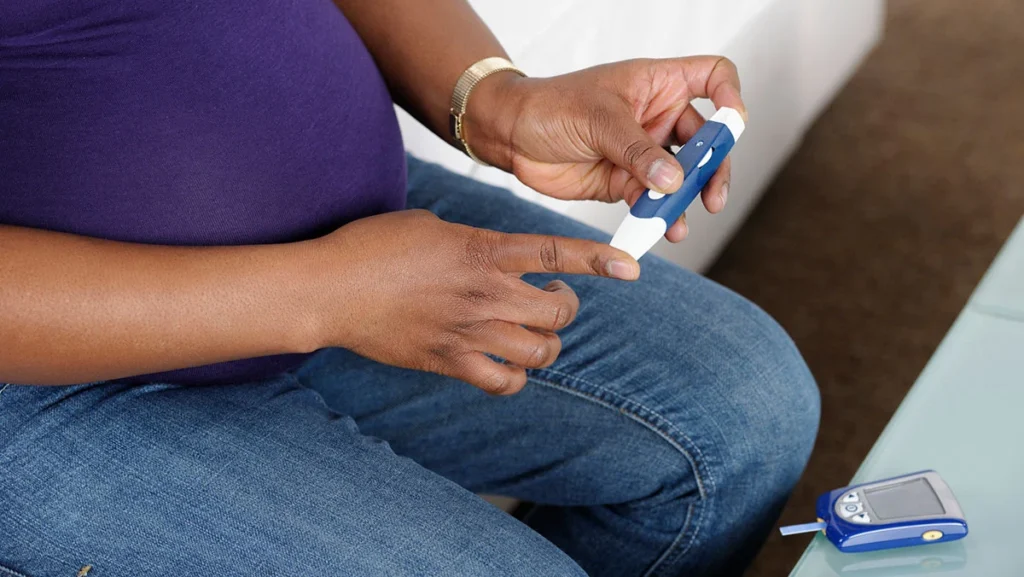
- Take glucose level readings at similar times regularly this helps in spotting trends and not reacting merely over a single test result
A meal schedule specifically designed for an individual that incorporates her unique blood sugar trends and eating habits would make a much greater impact on maintaining a healthy lifestyle than a generic diet plan.
Diabetes After Pregnancy: What Comes Next
Postpartum diabetes should be given a similar level of attention and care by the medical community as is given for gestational diabetes during Pregnancy.
Women who developed gestational diabetes mostly get back to their blood sugar normal levels after delivery, but their chance of developing type 2 diabetes is significantly increased. Guidelines recommend glucose testing 6-12 weeks postpartum and, after that, screening every 1-3 years.
In most cases, a drop in insulin requirements after delivery is noticed in women who already have diabetes and these drops have to be addressed quickly to prevent dangerously low sugar levels. Breastfeeding, disrupted sleeping, and the coming back to normal life all affect glucose control, therefore, continuation in following up is rather a must than a luxury.
Why Coordinated Care Matters
A diabetic woman is very vulnerable especially during pregnancy because blood sugar cannot be controlled easily. It must be a whole teamwork in which the doctor regularly checks the patient’s blood sugar level, makes any necessary medication changes according to the pregnancy developments and keeps very well in tune with the patient’s obstetrician if needed. Expecting diabetic mothers get comprehensive care at the Healthbeam Diabetes and Wellness Center of Greenbelt, Maryland, such as monitoring their individualized monitoring plans, nutritional guidance, and pharmaceutical control that is specifically designed for the varying needs through stages of pregnancy to maintain a safe blood sugar level at each step.
If you are pregnant and have to deal with diabetes, or if you have been recently diagnosed, it’s best you take the decision to go for treatment promptly. As well as the doctor, our nurse practitioner will be a part of the treatment team. Healthbeam Diabetes and Wellness Center will work seamlessly with your obstetrician to support you from the very first to the postnatal period.
Frequently Asked Questions
1. What is the main difference between gestational diabetes and pre-existing diabetes in pregnancy?
Gestational diabetes develops during pregnancy, usually in the second or third trimester, and often resolves after delivery. Pre-existing diabetes (type 1 or type 2) is present before conception and requires management throughout the entire pregnancy.
2. Can gestational diabetes be managed without insulin?
Yes, in many cases. Diet changes, regular physical activity, and blood sugar monitoring control gestational diabetes for a large share of women. Insulin or medication is added only if these steps don’t bring glucose into target range.
3. Does gestational diabetes go away after birth?
For most women, yes, blood sugar returns to normal soon after delivery. However, it raises the lifetime risk of developing type 2 diabetes, so follow-up testing is recommended.
4. How often should blood sugar be checked during a diabetic pregnancy?
Most providers recommend checking fasting and post-meal glucose multiple times a day, though the exact frequency depends on whether diabetes is diet-controlled, medication-controlled, or managed with insulin or a CGM.
5. Is a diabetic pregnancy considered high-risk?
Yes, pregnancies involving diabetes are typically classified as higher-risk and monitored more closely with additional ultrasounds, glucose checks, and specialist visits to catch any complications early.